
South African festive tables rarely look modest. Gammon shares space with potato bakes, trifle competes with malva pudding, and the snack table often opens before lunchtime.
Celebration has a place in any diet, yet global guidance from bodies such as the World Health Organisation points out that many modern meals already depend heavily on salt, sugar and saturated fat.
What “healthy” means once the tinsel comes out
Health authorities keep repeating the same basics: more vegetables and fruit, whole grains and beans, less salt, less added sugar and saturated fat from processed meat and creamy sauces.
South Africa’s own food-based dietary guidelines emphasise variety, daily vegetables and fruit, regular beans and lentils, and water as the main drink.
The focus shifts away from a strict “good list versus bad list” and toward proportion.
Vegetables and salads as main characters
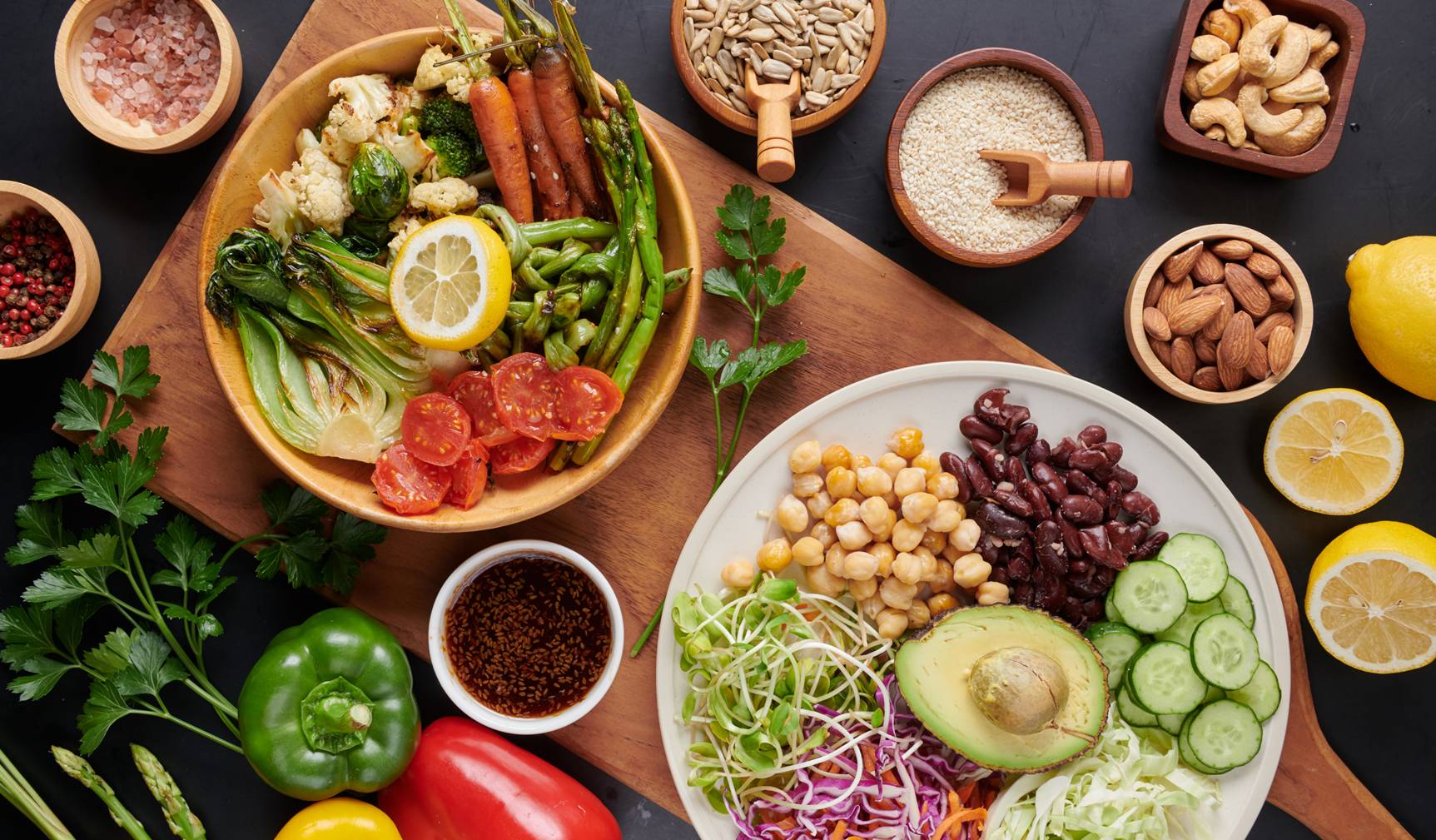
Many families see salads as decoration next to meat platters. Nutrition research pulls in the other direction. Large servings of vegetables and salads add fibre, water and volume, which support fullness with fewer kilojoules than pastry or deep-fried snacks.
Festive menus that feature roast vegetables, colourful salads with beans or chickpeas, and fruit-based sides often leave guests satisfied for longer. Fibre slows digestion, and that steadier release of energy lowers the chance of a late-afternoon slump on the couch.
Protein that supports tomorrow as much as today
Protein usually arrives as lamb, gammon or chicken with crispy skin. Smaller portions of these, balanced with plant protein from lentil bakes, bean salads or hummus, match national guidance that encourages regular use of legumes.
Unprocessed meat, poultry and fish supply iron, zinc and B vitamins, but large servings of processed meat increase long-term risk for heart disease and some cancers.
Carbs: from “villain” to foundation
Holiday carbs often arrive as decadent bakes, white rolls and sugary desserts. That image hides a vital point: starchy foods are at the foundation of dietary guidelines, but only if they appear in higher-fibre forms and in sensible portions.
Brown rice, whole-wheat couscous, samp and beans, and potato dishes with the skin on all count toward that goal. When those options share the table with lighter sauces and vegetables, blood sugar responses are gentler than after a plate dominated by white rolls, pastry and sweet drinks.

Dessert without the sugar hangover
Sugar arrives early in December and seldom leaves. Health guidance remains firm: added sugar in large amounts links to weight gain, diabetes and tooth decay.
Dessert spreads that include seasonal fruit platters, yoghurt-based options, and smaller portions of traditional puddings strike a different balance. Many families now keep heavy puddings for fewer occasions and lean more on fruit-forward desserts at casual braais.
Drinks as silent contributors
Liquid kilojoules seldom look dramatic in a glass, although they accumulate over several long afternoons. Sugar-sweetened cool drinks and many mixers increase overall energy intake and contribute to a higher risk of obesity and type 2 diabetes.
Water, unsweetened iced tea and sugar-free soft drinks give guests more (and healthier) variety.
The same applies to alcohol: moderate intake with meals aligns more closely with health guidance than repeated rounds on an empty stomach, and alcohol-free options support relatives who prefer to stay away from it altogether.
Health, cost and cover
Food decisions at year-end do not sit in isolation. South Africa faces high rates of hypertension, diabetes and high cholesterol, all influenced by diet and physical activity.
Households that manage to keep festive menus a bit lighter in salt, sugar and saturated fat often aim to protect health in the long term, not only in the short term.
That broader picture includes access to healthcare and medical cover. Platforms such as medicalaid.com help families compare medical aid options, and that type of financial planning is crucial once lifestyle diseases enter the chat.
Food cannot replace medical care, but a pattern of healthier festive seasons can reduce some of the strain on bodies and budgets over years.
Final Thoughts
Festive meals set stories that families repeat every year; those stories can include colour, flavour and health in the same breath.
A table with generous vegetables, mindful portions of richer dishes and affordable non-sugary drinks still signals celebration, without leaving a legacy of fatigue and extra clinic visits in January.
In a country already facing a heavy load of lifestyle diseases, that subtle recalibration over many Decembers could turn into one of the most valuable gifts to everyone at the table.