



Summary: Journey’s End Vineyards in Somerset West, in the Stellenbosch winelands, has built a sustainability and ethical farming record spanning renewable energy, water conservation, biodiversity and community support. It became South Africa’s first B Corp certified winery in March 2025, runs off-grid on solar energy, has planted more than 10,500 native spekboom and supports local communities through the Journey’s End Foundation, which has helped deliver millions of meals.
Great wine starts in the vineyard, but at Journey’s End Vineyards, the story extends well beyond the grapes.
Set on the Schapenberg hills above False Bay, near Somerset West, the estate has spent years building an approach to farming that considers the environment, ethical business practices and the wellbeing of its surrounding community.
The Gabb family took over the vineyard almost 30 years ago, and sustainability and ethical farming have remained central to the estate’s approach. That commitment has been recognised through multiple awards and certifications, including a major milestone in March 2025, when Journey’s End became South Africa’s first B Corp certified winery.
- The recognition reflects a broad approach to responsible business, with initiatives ranging from renewable energy and water recycling to conservation and community upliftment. At Journey’s End, sustainability is not simply a line on a bottle. It is built into how the estate operates.
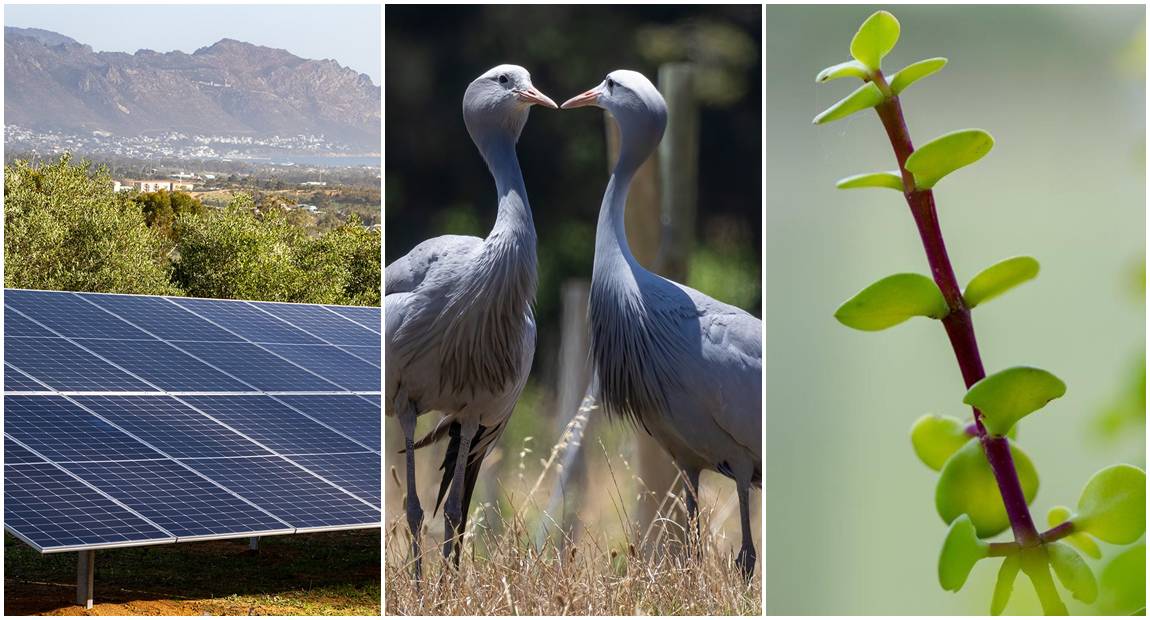
Journey’s End was an early adopter of renewable energy in South African winemaking, becoming the country’s second wine farm to convert to solar power in 2014. Today, the estate operates off-grid on solar energy with advanced battery storage. Water conservation is another important part of the estate’s operations. Journey’s End uses four catchment dams and a borehole, with dam water supplying the vines through drip irrigation. Compared with sprinkler systems, which can lose water to the wind, drip irrigation can reduce water use by up to 50%.
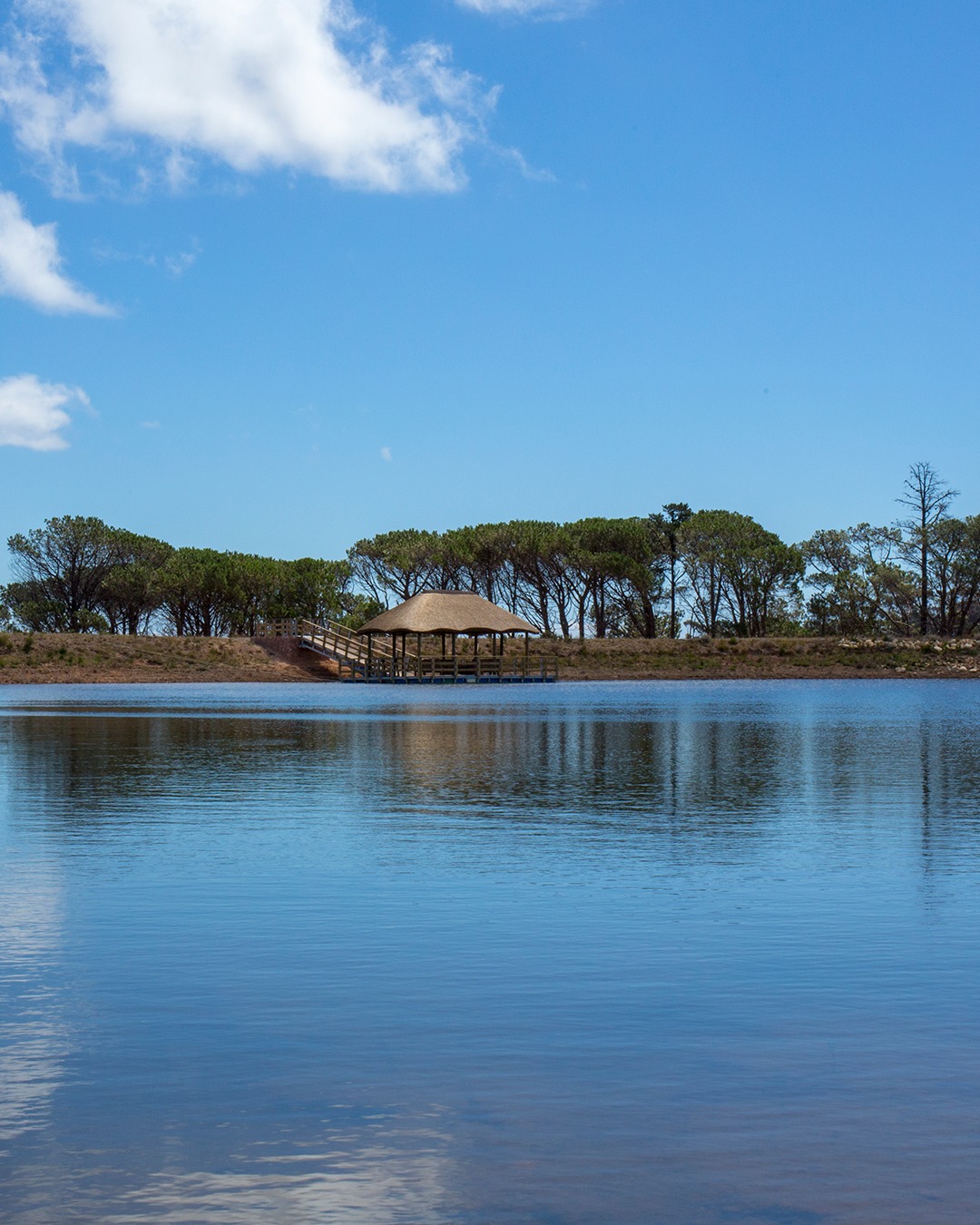
The estate also operates its own water treatment plant. Dirty water from the cellar is cleaned and recycled for watering fallow paddocks, while a catchment system collects rainwater and channels it towards the dams. Extended in 2021, the network includes 2.1km of catchment channels.
Between the vines, cover crops such as wheat and lupin help stabilise the soil, return nutrients and reduce water evaporation. The estate also reports producing 9,046 kilograms of compost per year, with 77,077 kilograms produced since 2019. Small changes across the farm can add up to meaningful improvements in how resources are managed.
Journey’s End achieved carbon negative status in November 2021, largely through its own green initiatives, while also supporting the Kunyasa Housing Project, which supplements a small number of carbon credits.
The estate’s sustainability work extends into the natural landscape surrounding the vineyards. In 2021, Journey’s End attained WWF Conservation Champion status, with its conservation area increasing from 15 hectares to 22 hectares. Indigenous plants, including Fynbos and Blue Sugar Bush, are part of this conservation work.
More than 10,500 native spekboom have been planted in open pockets of the conservation areas. Known for their ability to store carbon while requiring relatively little water, these South African succulents form part of the estate’s wider regenerative agriculture efforts.
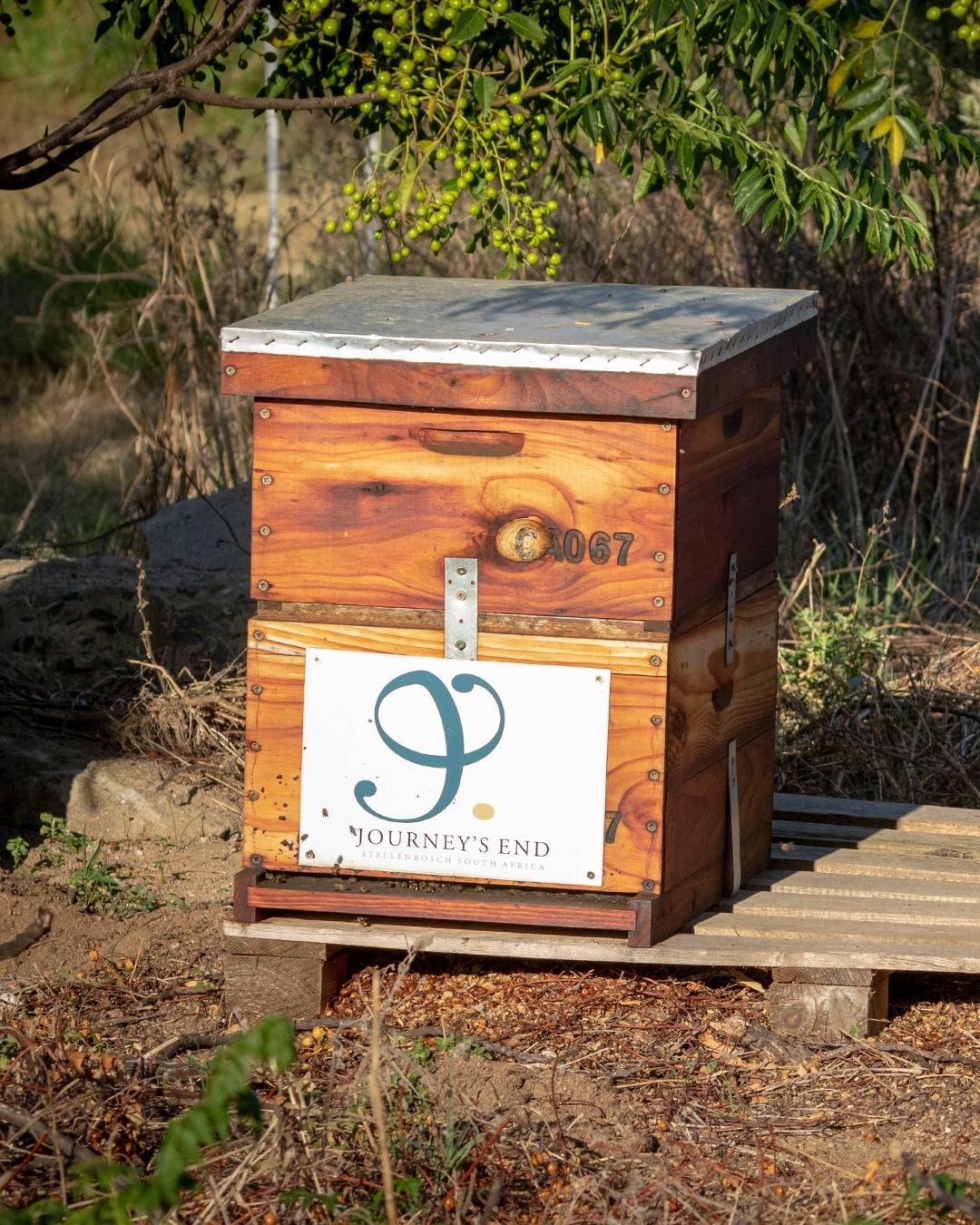
The farm also has 40 beehives, supporting pollination and biodiversity while producing honey. Wildlife contributes to the natural balance, too. Egyptian Geese eat insects along the vines, while a pair of Eagle owls helps manage rodents, reducing the need for harsher deterrents.
Journey’s End became a founding member of the Sustainable Wine Roundtable in September 2021, supporting efforts to promote higher global standards for sustainable wine production. Its wider environmental record also includes a reported saving of 2.84 tons in bottle weight during 2026.
Sustainability is also about people. Through the Journey’s End Foundation, led by Director Wendy Wynand, the estate supports local communities through a network of community soup kitchens and other initiatives. The estate’s sustainability snapshot reports 8,000,000 meals delivered to the local community, with figures of 39,950 meals weekly and 7,900 meals daily also highlighted. These figures reflect the scale of the Foundation’s community food support.
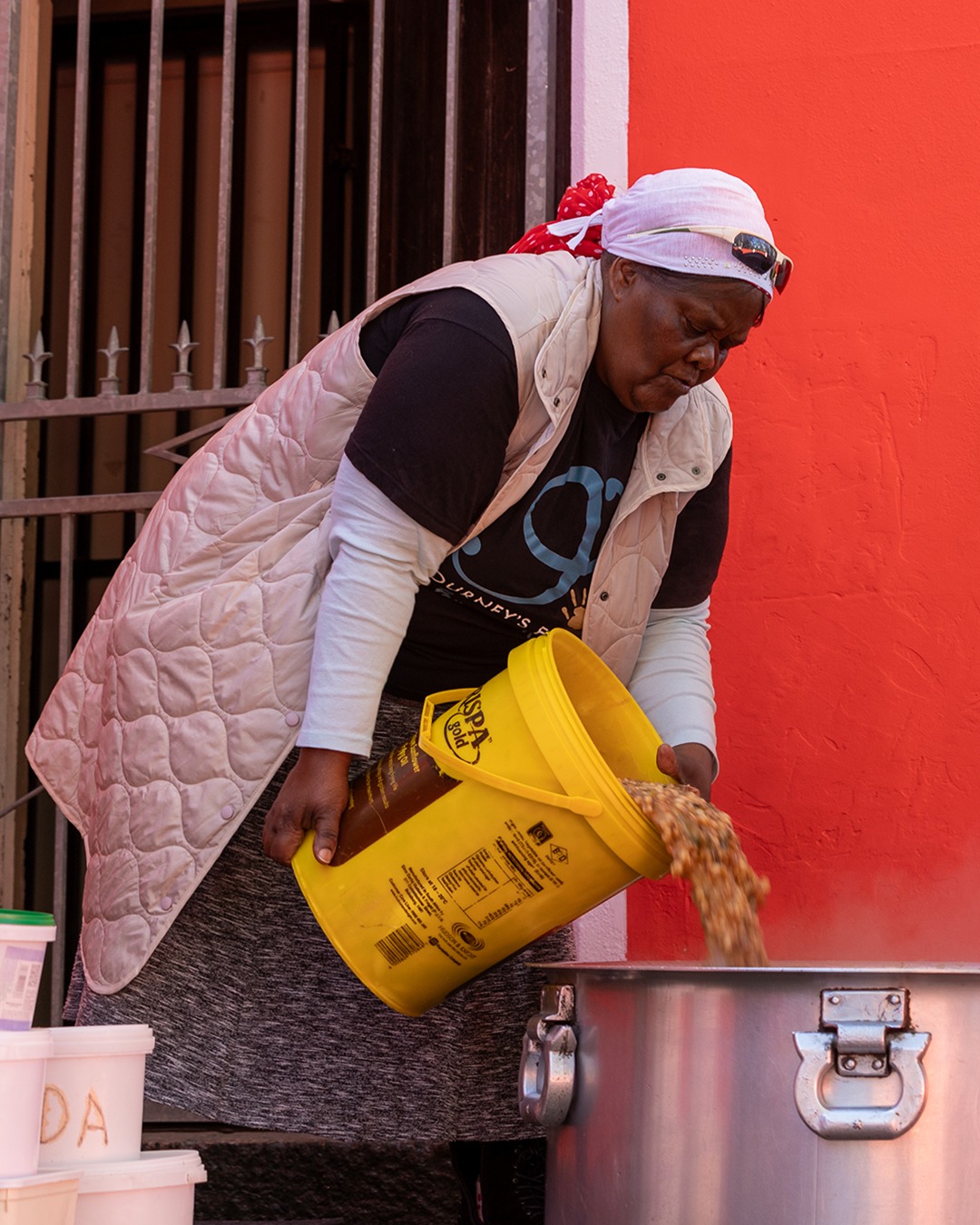
The Foundation’s work also includes support for the Kunyasa Housing Project. Together, these initiatives show how the estate’s social impact extends beyond the vineyard and into the lives of people in the surrounding community. More information about this work is available through the Journey’s End Foundation.
Journey’s End’s commitment has received recognition over several years. The estate received the Ethical Company award at The Drinks Business Green Awards in both 2020 and 2021, as well as the Water Management award in 2021. It has held WIETA and IPW accreditation since 2013 and has been Fairtrade certified since 2017. In March 2025, its B Corp certification marked another significant milestone, recognising its broader approach to environmental stewardship, ethical business practices and community upliftment. Most recently, Journey’s End received the 4th Bernard Podlashuk Shiraz Trophy & Prize in August 2025, awarded for excellence, innovation, creativity, sustainability and social responsibility.
Together, these milestones reflect a long-running effort to connect wine production with responsible farming, resource management and community support. From solar power and water recycling to indigenous conservation and millions of meals delivered through community initiatives, Journey’s End Vineyards demonstrates how sustainability can touch many parts of a wine estate’s daily operations. Its work continues across the vineyard, the natural environment and the wider community, giving the estate’s story a meaning that reaches well beyond the bottle.
Quick details
- Estate: Journey’s End Vineyards
- Location: Sir Lowry’s Pass Road, Somerset West 7130, in the Stellenbosch winelands
- Key milestone: South Africa’s first B Corp certified winery, March 2025
- Renewable energy: Off-grid solar power with advanced battery storage
- Water conservation: Four catchment dams, a borehole, water treatment and recycling, rainwater harvesting and drip irrigation
- Conservation: 22 hectares of natural indigenous flora and fauna conservation
- Regenerative agriculture: More than 10,500 native spekboom planted
- Biodiversity: 40 beehives across the estate
- Community support: Journey’s End Foundation and local community soup kitchens
- Foundation information: https://journeysend.co.za/our-foundation/
- Telephone: +27 (0)21 200 2698
- Email: info@journeysend.co.za
FAQs
What makes Journey’s End Vineyards a sustainability-focused winery?
The estate combines off-grid solar energy, water recycling, drip irrigation, regenerative agriculture, indigenous conservation and community support initiatives.
When did Journey’s End become South Africa’s first B Corp certified winery?
The estate received B Corp certification in March 2025.
How does Journey’s End conserve water?
It uses four catchment dams, a borehole, rainwater harvesting, a water treatment plant and drip irrigation. Recycled cellar water is used to water fallow paddocks, while cover crops help reduce evaporation and improve soil stability.
What conservation work does Journey’s End undertake?
The estate has 22 hectares dedicated to natural indigenous flora and fauna conservation, has planted more than 10,500 spekboom, and maintains 40 beehives that support pollination and biodiversity.
How does Journey’s End support the local community?
Through the Journey’s End Foundation, the estate supports community soup kitchens and the Kunyasa Housing Project. Its sustainability snapshot reports eight million meals delivered to the local community.
Which sustainability awards and certifications has Journey’s End received?
Its record includes the Ethical Company award at The Drinks Business Green Awards in 2020 and 2021, the Water Management award in 2021, WIETA and IPW accreditation, Fairtrade certification, WWF Conservation Champion status, B Corp certification and the 4th Bernard Podlashuk Shiraz Trophy & Prize in August 2025.